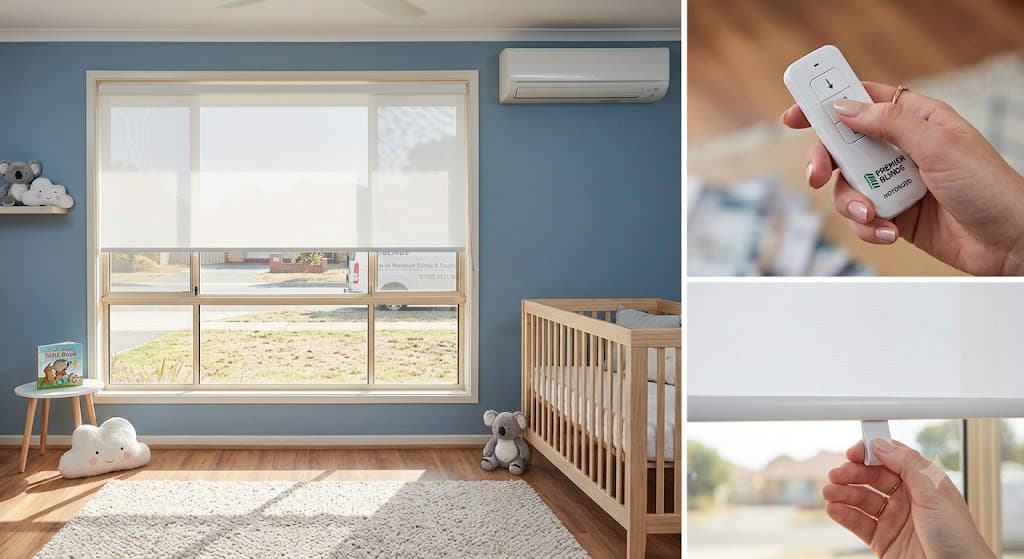
Child-Safe Blinds: What Australian Parents and Landlords Need to Know
Corded window blinds are a known hazard for young children. Here's what Australian safety requirements say, and what your options are for safer window coverings.
Corded window blinds have been recognised as a hazard to young children for many years. In Australia, this is not a minor or marginal risk — it has resulted in deaths, and regulatory responses have followed. If you have young children in your home, or you’re a landlord renting to families, understanding the requirements and your options is important.
Note: This article provides general guidance. For specific regulatory requirements applicable to your situation, refer to the ACCC’s product safety resources and seek advice from your installer.
The hazard with corded blinds
The risk comes from looped or long cords — typically the operating chain or lift cord on blinds — which can form a loop around a child’s neck. Children under five are particularly vulnerable because of their developmental stage and the fact that they often climb on furniture near windows. The speed at which a strangulation event can occur means it may go undetected even when a caregiver is nearby.
What Australian standards and regulation say
In Australia, window coverings with accessible cords are subject to product safety requirements administered by the Australian Competition and Consumer Commission (ACCC). The mandatory standard requires that certain corded products meet specific safety requirements regarding cord accessibility, tension, and breakaway or tensioning mechanisms.
The ACCC has published consumer guidance on corded blind safety, and the mandatory standard has been updated over time to address the known risks. The current requirements apply to new products sold in Australia — but many older blinds in Australian homes predate these requirements and may not comply.
For the most current and specific information, visit the ACCC’s Product Safety Australia website at productsafety.gov.au and search for “blind cords”. This is the authoritative source — we recommend checking it directly rather than relying solely on this article, as requirements can change.
What this means for homeowners
If you have older corded blinds in a home where young children live or visit, the safest approach is to:
- Ensure existing cords are tensioned and secured at all times (not left to hang loosely)
- Keep furniture away from windows so children can’t climb to access cords
- Consider replacement with cordless, motorised, or certified cord-safe alternatives
New blinds installed in Australian homes should meet the current mandatory standard. When requesting a quote, ask your specialist specifically about child safety compliance.
What about landlords and rental properties?
Landlords have obligations under both product safety laws and residential tenancy legislation regarding the condition of properties they rent out. If a rental property has older corded blinds that don’t meet current safety requirements, there is an argument for replacement — both on safety grounds and to limit liability. Seek specific legal or regulatory advice for your jurisdiction if you’re unsure of your obligations.
Child-safe blind options
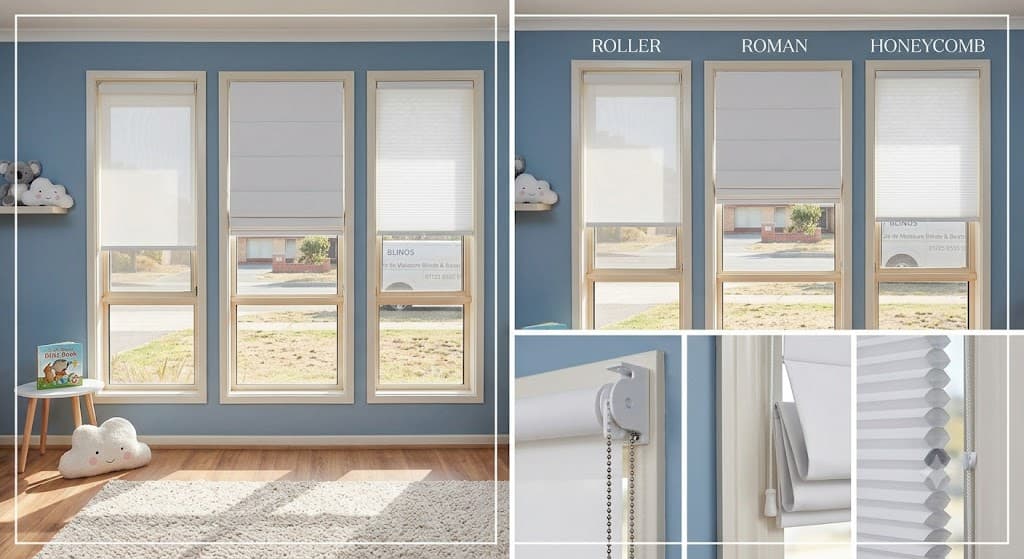
The good news is that child-safe alternatives are widely available and cover every style of blind:
Cordless spring-operated roller blinds — no chain or cord at all. The blind is raised and lowered by hand, held in position by spring tension. Simple, reliable, and entirely cord-free.
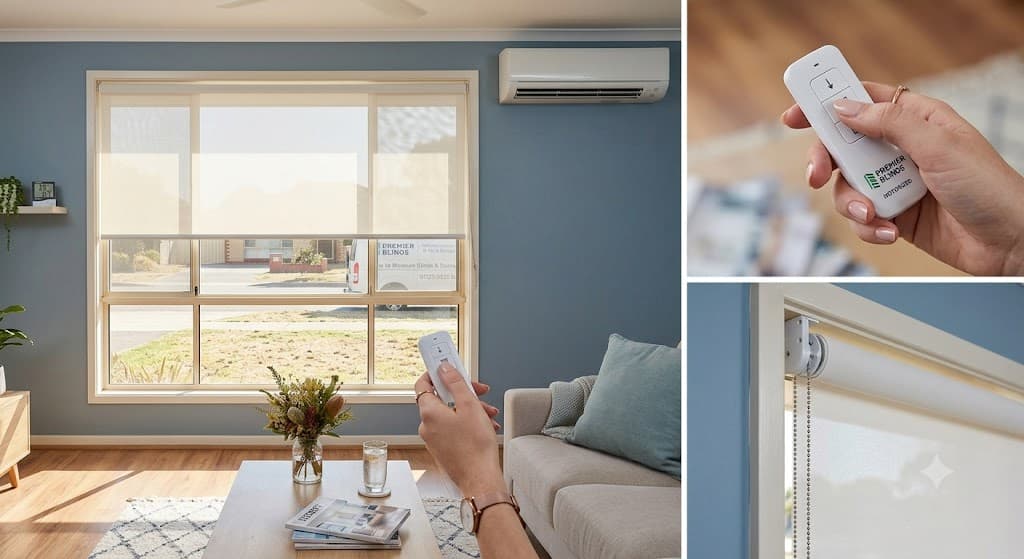
Motorised blinds — operated by remote, app, or voice assistant with no accessible cords. The safest option and increasingly competitive in price with high-quality manual alternatives.
Tensioned cord systems — some blinds use a cord that is permanently anchored to the wall or floor, preventing it from forming a loop. These meet the mandatory standard, though fully cordless or motorised options provide the highest peace of mind.
Wand operation — venetian and vertical blinds can be operated with a rigid wand rather than a looped cord. A wand cannot form a loop around a neck.
Getting it right first time
When you’re purchasing new blinds, tell your specialist upfront that child safety is a priority. A good specialist will guide you to compliant options and advise against products that don’t meet current requirements. Request a free in-home measure and quote — it’s the right time to raise child safety requirements, so your specialist can recommend the best solution for your windows and your family.
Ready for a free measure & quote?
Tell us what you need — we'll match you with a vetted local specialist and arrange a free in-home visit. No obligation.
Get a Free Quote